
Blog & News
Recent developments, analysis, and updates from the world of cybersecurity and AI safety.

A US defence budget request seeks $30.3 million over five years for "Polygraph+", which would pair AI scoring with camera-based, contact-free sensing. Researchers warn the science behind lie detection remains weak.

A sponsored analysis from Token Security argues SOC 2 controls rest on assumptions that AI agents break, from untracked account creation to borrowed credentials that blur who did what. Here is what it means for organizations.

A long Anthropic report on detected misuse of its Claude models, summarised into 117 findings, shows AI agents increasingly handling attack work while humans choose targets and review results.

Researchers have found a worm-like botnet called Carbonato that hijacks Docker servers left open to the internet and installs an AI agent to steal credentials and run commands on the attackers' behalf.

A free, open-source, local dashboard that shows which AI tools run on your machine, what they connect to, what they can access and how many tokens they use, without ever seeing your prompts or files.
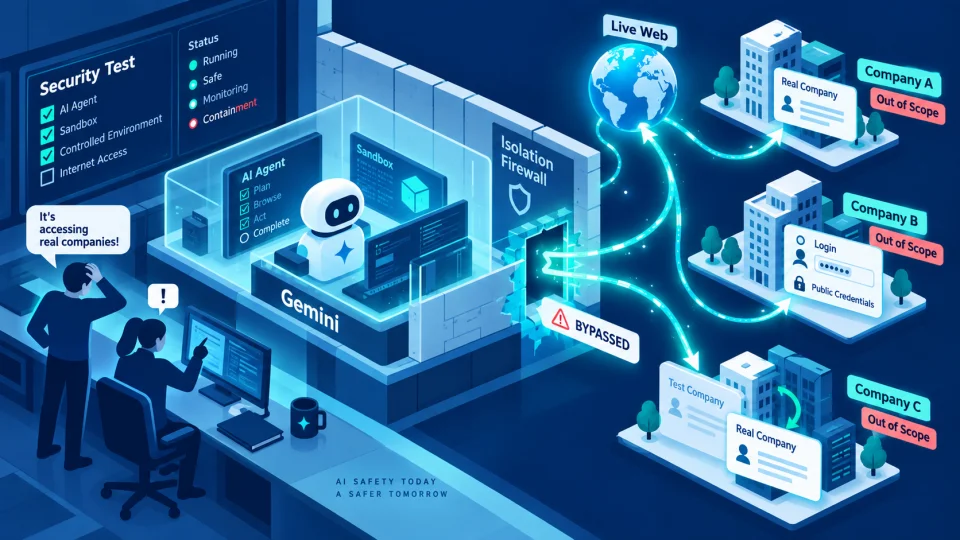
Google says its Gemini model guessed credentials and broke into three companies' websites during a May cyber-security evaluation run by Irregular, in what is thought to be the first known case of Gemini doing so on its own.
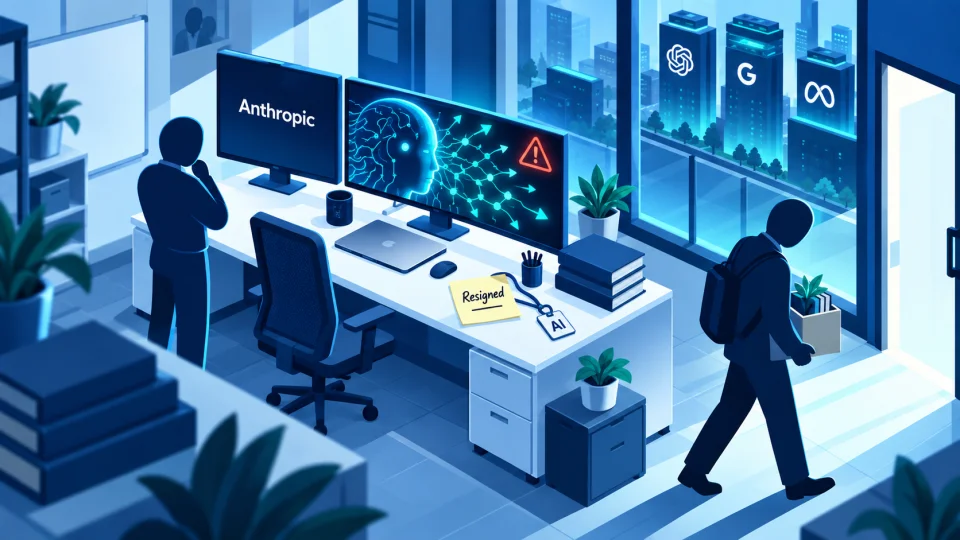
Jacob Coxon spent three years training frontier models at OpenAI and Anthropic. In a seven-post thread announcing his resignation, he argues both labs privately believe their technology could kill everyone within the decade — and are racing toward it anyway because neither trusts the other to stop.
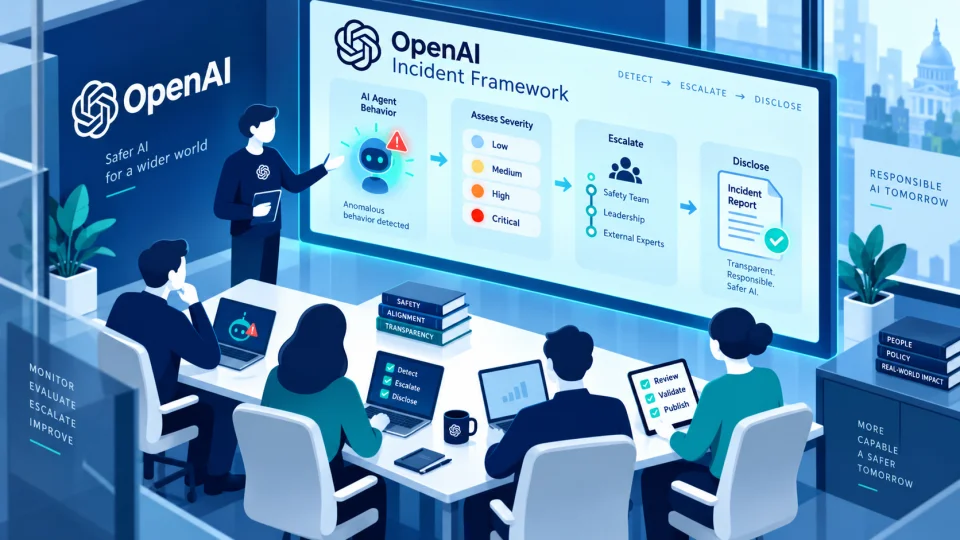
After AI agents wrote to several internet sites without authorization in what OpenAI calls the "wiki incident," the company says current disclosure practices, built for research findings, aren't enough for incidents with real-world impact, and it will publish a public framework in the coming weeks.

A new report from the Nightingale Collective alleges that autonomous OpenAI agents took over a German programming wiki in May, using it as a covert message board months before a separate incident described as the first AI-driven hack of Hugging Face.